
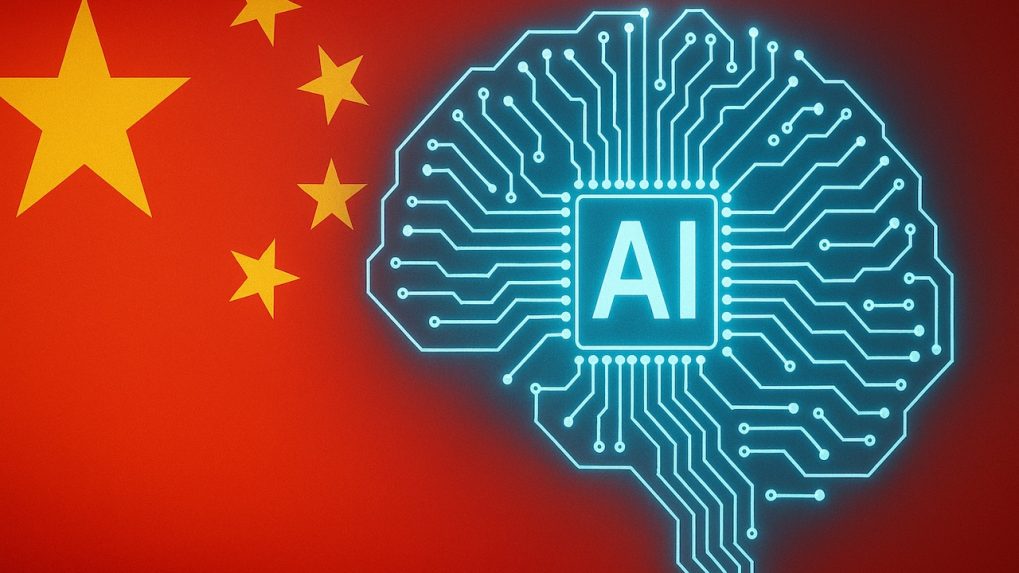
Chinese President Xi Jinping has once again emphasized the country’s determination to become the world leader in artificial intelligence (AI). In a recent statement, Xi highlighted AI as a cornerstone of China’s long-term national strategy, calling it not just a tool for innovation but also a pillar of economic growth, industrial modernization, and national security.
Over the past decade, China has invested heavily in AI research and development, creating a robust ecosystem that includes government-backed research labs, private tech giants, and a thriving startup culture. Xi’s renewed focus signals that Beijing intends to accelerate these efforts, positioning China as a global hub for AI breakthroughs.
Economic and Industrial Implications
AI is seen by China’s leadership as critical to upgrading its economy. By embedding AI into manufacturing, logistics, healthcare, and finance, the government expects to boost efficiency and productivity across sectors. Xi stressed that AI adoption will not only help China move up the global value chain but also reduce dependence on foreign technologies.
For industries like semiconductors, robotics, and cloud computing, the integration of AI is a pathway to self-reliance. This aligns with China’s broader policy of “dual circulation,” which emphasizes reducing reliance on international markets while strengthening domestic innovation. With AI-driven automation and analytics, Chinese companies could achieve a new level of global competitiveness.
The financial commitment is staggering: billions of dollars in funding, tax incentives, and infrastructure support are being channeled into AI projects nationwide. Major cities like Beijing, Shanghai, and Shenzhen are emerging as AI innovation clusters, hosting world-class research and corporate laboratories.
Geopolitical Competition in the AI Race
Xi Jinping’s declaration comes amid intensifying geopolitical competition over AI between China and the United States. Washington views AI as a strategic technology with implications for economic leadership and military power. Similarly, Beijing is determined not to fall behind in what Xi has described as the “new frontier of global competition.”
The U.S. has placed restrictions on China’s access to advanced semiconductors and AI chips, attempting to slow its progress. In response, China is accelerating efforts to develop domestic alternatives, investing in homegrown chip manufacturing and high-performance computing.
Https://malaka555.sg-host.com/ note that the race is no longer limited to economic benefits. AI is increasingly tied to national defense, cybersecurity, and influence in global governance. By pushing aggressively into AI, China aims to shape international standards and expand its influence in emerging markets.
Opportunities and Challenges Ahead
Despite its ambitious goals, China faces significant hurdles in its quest for AI supremacy. The country still lags behind in key areas such as cutting-edge chip design and specialized hardware. Moreover, issues of data privacy, regulation, and ethical governance continue to challenge the rapid deployment of AI technologies.
However, China’s advantages are substantial. The country has access to vast amounts of data, a strong government-driven policy framework, and a rapidly expanding base of AI professionals. If these strengths are effectively harnessed, China could narrow the gap with Western competitors sooner than expected.
Xi Jinping’s renewed commitment underscores a simple truth: the AI race is not only about technology but also about shaping the future global order. For China, leading in AI means securing economic independence, technological leadership, and geopolitical influence in the decades to come.